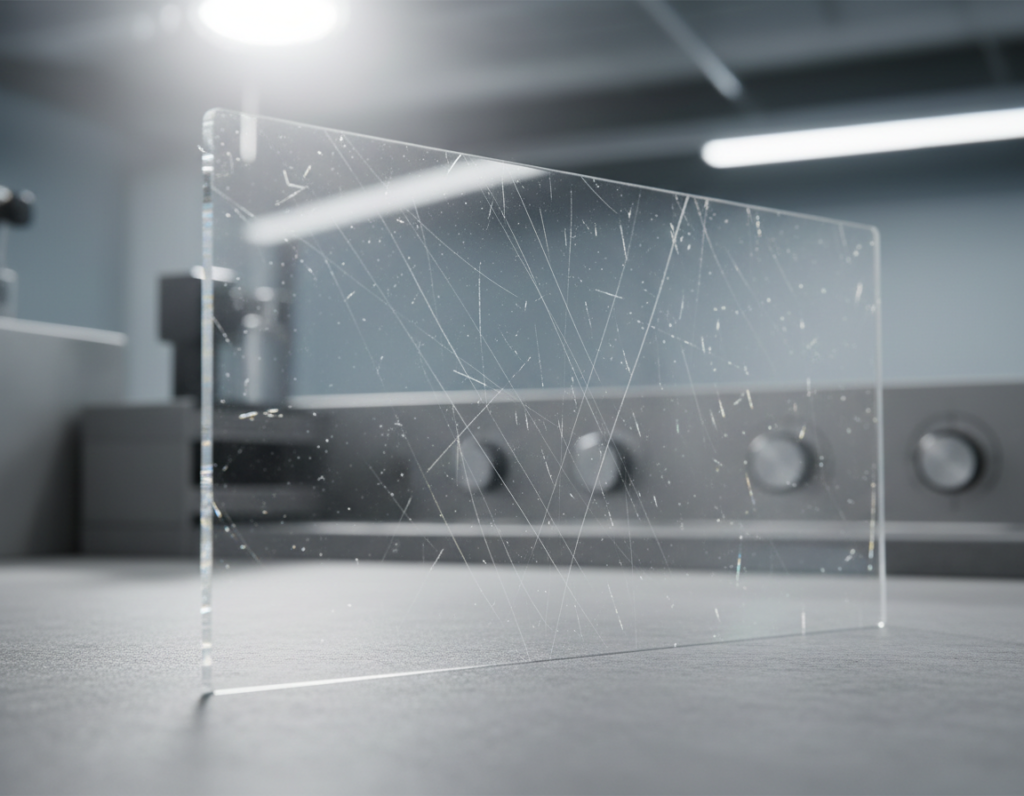

Acrylic sheets are chosen for their clarity, strength, and clean appearance. Yet even minor surface scratches can quickly reduce their visual appeal and performance.
Many businesses rely on acrylic sheet materials for displays, guards, signage, or fabricated components. In such cases, surface damage becomes more than a cosmetic issue, affecting presentation, lifespan, and replacement costs.
Identifying root causes of surface damage and applying the right repair methods helps protect the material’s longevity and ensure reliable performance.
Why Acrylic Scratches Matter in Business Applications
Scratches scatter light and reduce transparency. In retail, manufacturing, and commercial settings, this can make products look worn or poorly maintained.
Over time, repeated surface damage may lead to premature replacement, increased downtime, and higher material costs. Preventing scratches and addressing them correctly supports better durability and more predictable performance.
Common Causes of Scratches on Acrylic Sheet Materials
1. Improper Cleaning Methods
One of the most frequent causes of scratches is incorrect cleaning. Dry wiping or using abrasive cloths creates fine surface marks that accumulate over time. Paper towels, shop rags, and rough sponges can all damage acrylic surfaces.
Key issue: Acrylic sheet is softer than glass and requires non-abrasive cleaning tools.
2. Dust and Debris on the Surface
Dust particles behave like abrasives when dragged across acrylic surfaces. Even gentle pressure can embed microscratches if debris is not removed properly before cleaning.
Key issue: Surface contaminants increase friction during handling and maintenance.
3. Contact With Hard Objects
Tools, fasteners, or exposed hardware may leave marks on acrylic surfaces during handling or setup. Placing acrylic on rough surfaces without padding often results in surface damage.
Key issue: Acrylic requires controlled handling during fabrication and installation.
4. Improper Storage and Transport
Stacking acrylic sheets without protective interleaving allows surfaces to rub against each other. Movement during transport can cause friction-related scratching, especially over long distances.
Key issue: Storage conditions directly affect surface integrity.
5. Use of Incompatible Chemicals
Some cleaning agents contain solvents that soften acrylic surfaces. Once softened, the material becomes more vulnerable to scratching and clouding.
Key issue: Chemical exposure weakens the surface layer of acrylic.
How to Fix Light Scratches on Acrylic Sheets
1. Surface Cleaning Before Repair
Before addressing scratches, the surface must be clean. Dust and residue should be removed using a soft microfiber cloth and a cleaner designed specifically for acrylic materials.
Best practice: Always clean gently before attempting any repair.
2. Polishing Fine Scratches
Light scratches can often be reduced or removed using acrylic polishing compounds. These products smooth the surface by gently removing a thin layer of material.
Recommended approach:
- Apply polish with a soft cloth
- Use consistent, light pressure
- Work in small sections
This method restores clarity without altering the shape or thickness of the acrylic sheet in Canada.
3. Wet Sanding for Deeper Marks
For more visible scratches, controlled wet sanding may be required. This process uses fine-grit sandpaper and water to reduce surface imperfections before polishing.
Important note: This method should only be performed by trained professionals to avoid uneven surfaces.
Why Acrylic Sheet Quality and Supplier Support Matter
Consistent surface quality starts with reliable material sourcing and proper guidance. Businesses benefit from working with suppliers that understand acrylic sheet materials, storage requirements, and fabrication considerations.
Trusted suppliers offer acrylic rods and sheets for demanding applications, reliable material quality, and knowledgeable support make a measurable difference.