
Using an STL editor online offers speed and convenience, but careless edits can compromise print quality. STL files store only surface triangles, not editable design history. That means scaling, cutting, or merging directly affects mesh geometry.
Common issues include non-manifold edges, flipped normals, and incorrect units. Running mesh diagnostics before and after editing reduces slicing failures. Minor fixes, such as hole repair or resizing, work well online. Complex mechanical changes often require original CAD models for precision.
Security also matters. Uploading proprietary files to public platforms demands careful review of encryption and storage policies.
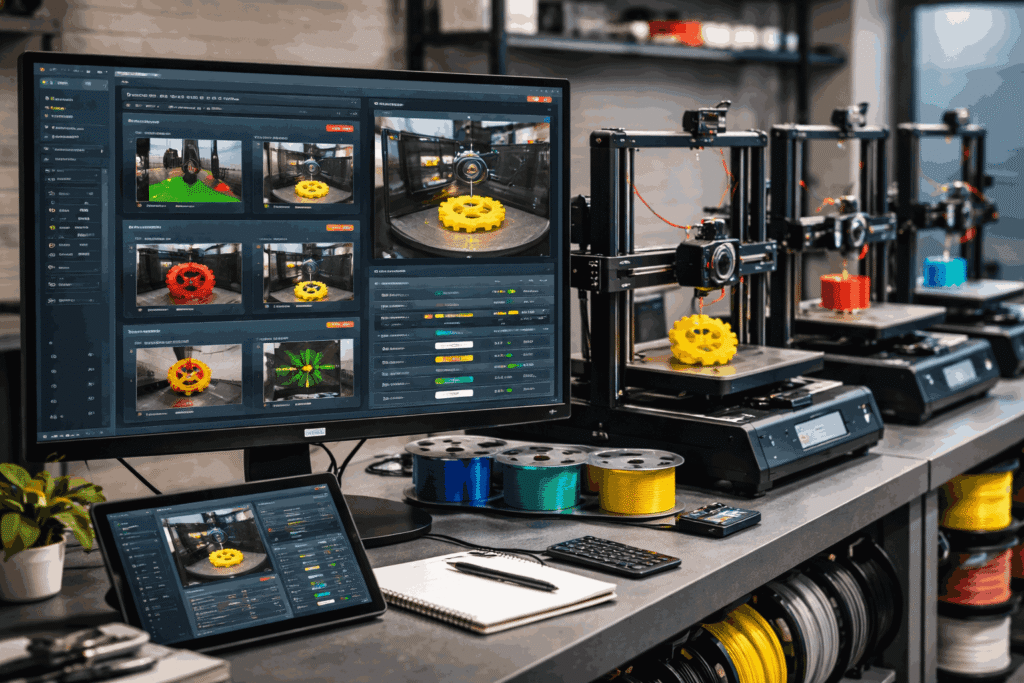
3DPrinterOS supports structured file management, centralized access control, and coordinated printing workflows. Organized oversight reduces version confusion and prevents repeated errors across teams and printer fleets.