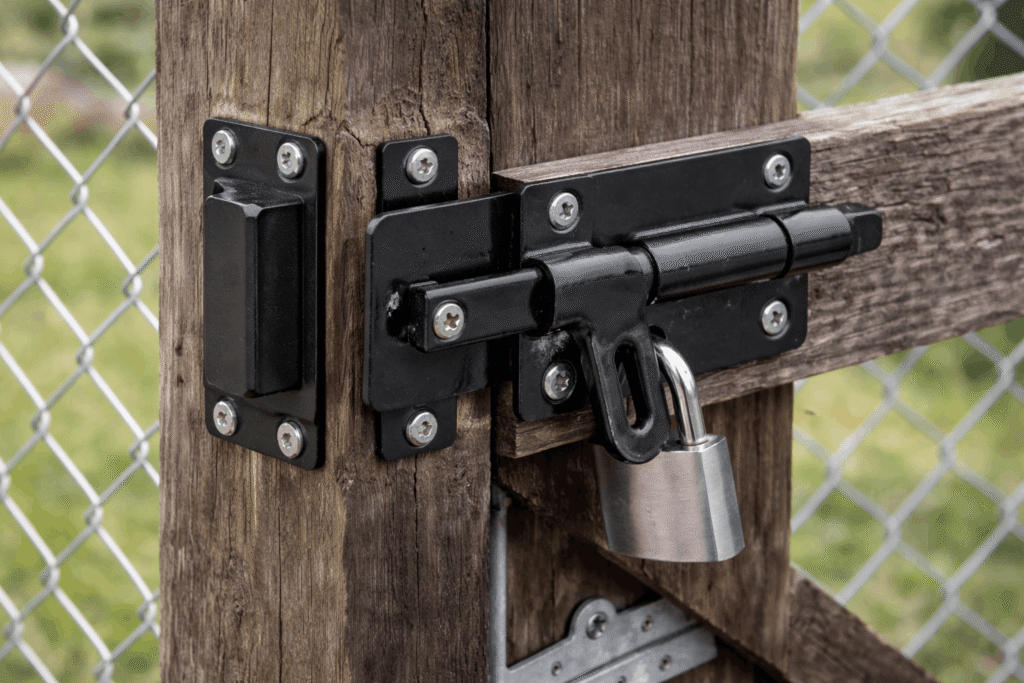

Gate security often depends on small mechanical components that are expected to perform reliably under repeated use and environmental stress. A heavy duty gate latch is designed to deliver strength, alignment, stability, and controlled engagement, but even the most robust hardware can fail prematurely when installation details are overlooked. Many latch-related issues stem not from material defects, but from avoidable setup errors that place unnecessary stress on moving parts.
Installation quality directly influences how gate latch hardware performs over time. Improper mounting, misalignment, or incorrect hardware selection can accelerate wear, compromise security, and lead to frequent maintenance or replacement. Understanding where installation commonly goes wrong helps ensure latch systems operate as intended for years rather than months.
How Gate Latch Hardware Is Designed to Function
Gate latches rely on precise mechanical interaction between the latch body, strike plate, fasteners, and mounting surface. When installed correctly, forces generated during opening and closing are evenly distributed. The latch engages smoothly, resists unintended release, and tolerates repeated cycles without binding.
Different environments require different configurations. While cabinet door latches prioritize compact form factors and light loads, exterior gate applications demand greater load capacity, corrosion resistance, and tolerance for movement. Proper installation ensures these design features are fully utilized rather than compromised.
Mistake 1: Poor Alignment Between the Latch and Strike Plate
Misalignment is one of the most common causes of premature latch failure. When the latch bolt does not meet the strike plate squarely, friction increases during every operation. Over time, this repeated resistance deforms components and enlarges mounting holes.
Even minor alignment errors can cause inconsistent engagement. Gates may require extra force to close or fail to latch completely, increasing stress on springs and internal mechanisms.
Mistake 2: Ignoring Gate Movement and Sag Over Time
Gates are dynamic structures. Weight distribution, hinge wear, and seasonal changes cause gradual sagging or shifting. Installing latch hardware without accounting for this movement risks the latch falling out of alignment shortly after installation.
Allowing for vertical and horizontal tolerance during setup helps accommodate natural movement. Adjustable mounting slots or reinforced hinge systems reduce the long-term impact of structural changes on latch performance.
Mistake 3: Using Incorrect Fasteners or Mounting Hardware
Fasteners are often treated as secondary components, yet they play a critical role in system integrity. Using undersized screws, incompatible metals, or low-grade fasteners weakens the entire installation.
In exterior applications, mismatched fasteners can accelerate corrosion, leading to loosening or fracture. Proper fastener selection ensures that gate latch hardware remains securely anchored under repeated load and vibration.
Mistake 4: Installing the Wrong Type of Latch for the Application
Not all latches are interchangeable. Selecting hardware without considering load requirements, usage frequency, or environmental exposure leads to early failure. Understanding the types of door latches available—gravity, spring-loaded, slide, or locking mechanisms—helps align function with application demands.
A latch designed for light-duty enclosures may perform poorly on a heavy gate subject to wind loads and frequent cycling. Application-specific selection is as important as installation accuracy.
Mistake 5: Over-Tightening or Improperly Torquing Components
Excessive torque can be just as damaging as insufficient tightening. Over-tightening distorts latch housings, restricts moving parts, and introduces constant friction. Springs and pivots may bind, reducing responsiveness and increasing wear.
Proper torque application maintains alignment without stressing components. Following manufacturer guidelines ensures hardware operates within its intended mechanical limits.
Mistake 6: Failing to Account for Environmental Exposure
Environmental conditions significantly influence latch longevity. Moisture, temperature swings, dust, and chemical exposure degrade finishes and internal components when not properly considered during installation.
Mounting latch hardware without protective spacing, drainage considerations, or appropriate coatings increases the likelihood of corrosion and mechanical seizure. Environmental planning should be part of the installation process, not an afterthought.
Mistake 7: Skipping Functional Testing After Installation
Installation often concludes once the latch appears secure. Skipping functional testing allows minor issues to go unnoticed until they escalate. Testing should include repeated opening and closing cycles, verification of smooth engagement, and confirmation that the latch resists unintended release.
Early testing identifies alignment issues or fastener loosening before damage occurs, reducing corrective costs later.
Mistake 8: Neglecting Clearance and Access Requirements
Latch systems require sufficient clearance to operate freely. Installing hardware too close to posts, frames, or adjacent structures restricts movement and increases friction.
Access for maintenance is also critical. Latches installed without service clearance complicate inspection and adjustment, increasing the likelihood of neglected wear or delayed repairs.
How Proper Installation Extends the Life of Gate Latch Hardware
Correct installation distributes operational forces evenly across latch components. Smooth engagement reduces internal wear, while secure mounting prevents vibration-related damage. Over time, this balance preserves alignment and mechanical integrity.
Well-installed latch systems also require less frequent adjustment. Reduced maintenance demands translate into lower lifecycle costs and improved reliability.
Best Practices for Installing Gate Latch Hardware Correctly
Successful installation begins with surface preparation and accurate measurement. Ensuring mounting surfaces are square and stable creates a reliable foundation. Selecting compatible fasteners and verifying torque specifications prevents structural stress.
Allowing for adjustability accommodates future movement, while environmental considerations protect against corrosion. Finally, functional testing confirms performance before the installation is considered complete.
When Installation Errors Signal the Need for Hardware Replacement
Repeated adjustments, visible deformation, or inconsistent engagement often indicate damage beyond correction. When latch components show signs of metal fatigue or excessive wear, replacement becomes more cost-effective than continued repair.
Recognizing when installation-related damage has compromised hardware integrity helps avoid security risks and operational downtime.
Installation Quality Is Just as Important as Hardware Quality
Gate latch performance depends as much on installation accuracy as on product strength. Even a heavy-duty gate latch cannot compensate for misalignment, poor fasteners, or environmental neglect. Addressing common installation mistakes ensures gate latch hardware delivers long-term reliability and consistent security.
TCH supplies gate latch hardware engineered for durability across demanding applications. With proper installation practices and application-specific selection, TCH solutions support secure, dependable operation over the full service life. Connect with TCH to select gate latch hardware that performs reliably from installation through long-term use.