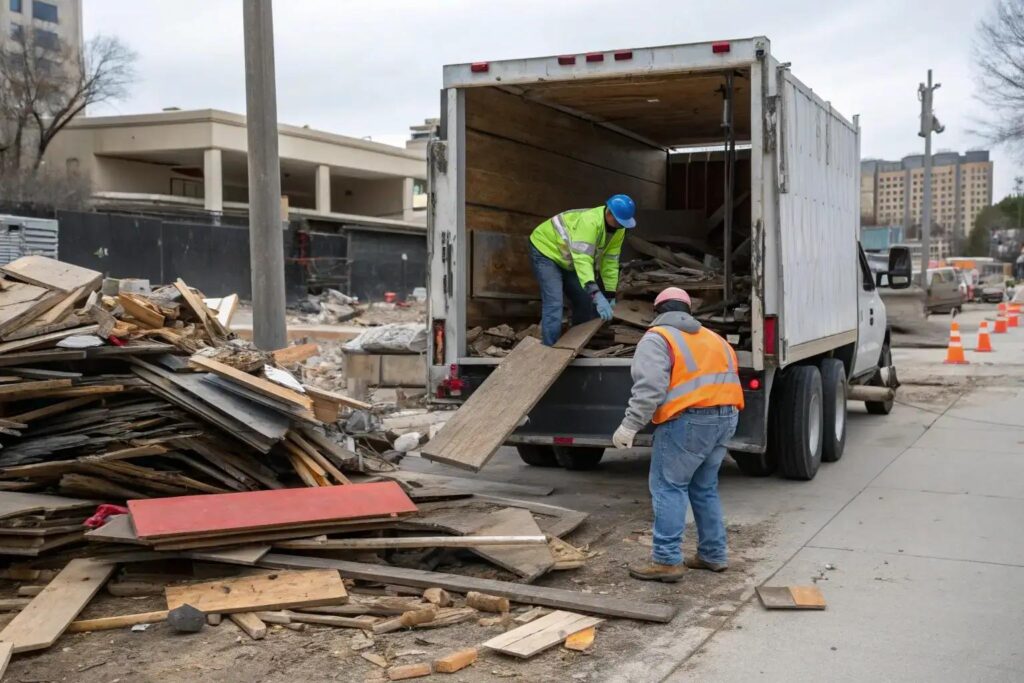

Renovation projects naturally generate excess materials, but poor planning for construction waste disposal can lead to delays, cluttered workspaces, and unnecessary stress. Whether you’re updating a kitchen, finishing a basement, or handling a light commercial upgrade, organizing construction debris removal properly helps keep your project on schedule.
Understanding a few common mistakes before arranging construction waste disposal in Toronto can make a noticeable difference in how smoothly your renovation progresses.
1. Booking Too Late in the Renovation Cycle
One of the most common mistakes is waiting until debris piles become unmanageable. During demolition and early construction phases, drywall, wood offcuts, tile fragments, and packaging materials can accumulate quickly.
When debris is left sitting for too long:
- Workspace becomes restricted
- Movement through the site becomes more difficult
- Contractors may lose efficiency
Scheduling removal earlier—such as after demolition or midway through the renovation—helps keep materials organized and reduces congestion. Planning pickup alongside your renovation timeline prevents last-minute scrambling at project completion.
2. Not Separating or Staging Materials for Pickup
While professional crews handle loading manually, having materials consolidated in one area simplifies the process. A common oversight is leaving debris scattered across multiple rooms or floors.
Staging materials in a designated spot:
- Makes access easier
- Reduces time spent gathering items
- Supports a smoother loading process
Although full separation by material type isn’t always required, keeping items grouped and accessible allows construction debris removal to proceed efficiently.
3. Underestimating How Much Debris Will Be Created
Many property owners underestimate the volume of materials generated during even small renovations. Replacing cabinets, flooring, or drywall can produce more debris than expected.
Underestimating volume can lead to:
- Insufficient booking time
- Multiple unplanned pickups
- Limited space for staging debris
Providing accurate estimates during booking ensures the team arrives prepared. Clear communication about project scope helps avoid adjustments on removal day.
4. Forgetting to Leave Access Room for Removal Crews
Access plays a major role in successful construction junk removal. Tight hallways, blocked stairwells, or parked vehicles near loading areas can slow down the process.
Before your appointment:
- Clear pathways to exits
- Ensure doorways are unobstructed
- Confirm elevator access in multi-unit buildings
Everything is handled manually, so having a clear route helps crews move efficiently without interfering with ongoing renovation work.
5. Not Checking Provider Limitations in Advance
Not all junk removal providers handle the same materials or quantities. A common mistake is assuming every type of construction waste falls within scope.
For example:
- Light renovation debris is typically accepted
- Limited quantities of heavier materials may be accommodated, depending on volume
- Some materials may fall outside standard removal services
Clarifying these details during booking ensures expectations are aligned. When planning construction waste disposal in Toronto, understanding service limitations prevents surprises on pickup day.
Conclusion
Effective renovation planning includes thoughtful scheduling of construction debris removal. By avoiding common mistakes—such as booking too late, underestimating volume, or overlooking access—you support a safer and more organized work environment.
Strategic construction junk removal helps keep materials under control, allowing contractors to work efficiently and keeping your project on track. With proper coordination and preparation, construction waste disposal in Toronto becomes a seamless part of your renovation timeline rather than a last-minute concern. For more details, contact 1800-RID-OF-IT now!